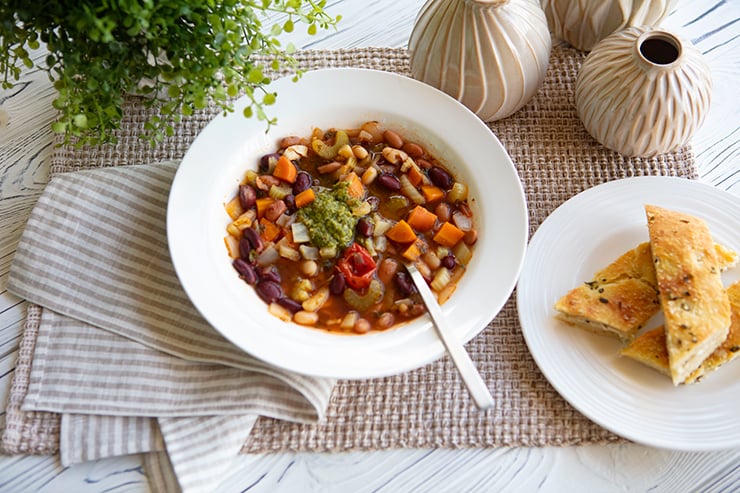
Imagine a meal that effortlessly balances health, heartiness, and convenience, adapting perfectly to any season. That's the magic of a well-crafted three bean minestrone soup recipe. More than just a simple soup, this Italian classic is a complete culinary experience, brimming with wholesome ingredients and bursting with authentic flavor. It’s the kind of dish that brings a smile to the family table, offering comforting warmth on a chilly evening or a refreshing, nutrient-packed option when temperatures rise. And perhaps best of all? It’s incredibly freezer-friendly, making meal prep a breeze and ensuring a delicious, homemade meal is always within reach.
From the robust aroma of Italian herbs simmering on the stove to the satisfying protein provided by its trio of beans, this minestrone transcends mere sustenance. It's a testament to the power of simple, quality ingredients coming together to create something truly extraordinary. Whether you’re a seasoned cook or just starting your culinary journey, mastering a great three bean minestrone recipe is a rewarding endeavor that promises delicious returns, year after year.
Why Three Bean Minestrone Deserves a Spot in Your Culinary Repertoire
In a world often buzzing with complex diets and fleeting food trends, the three bean minestrone stands as a timeless beacon of wholesome eating. Its enduring popularity isn't just about taste; it’s rooted in its incredible versatility and a remarkable nutritional profile that caters to a healthy lifestyle. This isn't merely soup; it's a strategic culinary asset for any home chef.
A Powerhouse of Protein and Fiber
At the core of any exceptional three bean minestrone are, naturally, the beans. Typically a combination of black, cannellini (white), and garbanzo (chickpeas), these legumes aren't just for texture. They're an incredible source of plant-based protein, crucial for feeling satisfied and sustained. Beyond protein, beans are rich in dietary fiber, which is vital for digestive health and helps regulate blood sugar. This robust protein and fiber content is why a bowl of minestrone leaves you feeling genuinely full and energized, making it an ideal choice for a main course. It's the kind of meal that fuels your body without leaving you feeling heavy or sluggish.
A Symphony of Flavors and Textures
The beauty of minestrone lies in its ability to marry simple ingredients into a complex, harmonious flavor profile. A truly authentic three bean minestrone soup recipe leans heavily on a foundation of aromatic Italian herbs like oregano, basil, and thyme, often complemented by understated garlic notes. These seasonings infuse the broth with a depth that’s both comforting and invigorating. The beans provide a hearty chew, while tender vegetables, such as spinach, carrots, and celery, contribute not only vital nutrients but also subtle sweetness and textural variety. Some recipes even include small pasta shapes or rice, thickening the soup and adding another layer of delightful mouthfeel. Every spoonful offers a delightful interplay of textures and tastes, proving that nutritious can also be incredibly delicious.
The Art of Effortless Meal Prep
Perhaps one of the most compelling reasons to embrace three bean minestrone is its inherent make-ahead and freezer-friendly nature. In today's busy world, having healthy, homemade meals ready to go is invaluable. This soup excels in this regard. It’s a dish that often tastes even better the next day as the flavors meld and deepen. Beyond mere refrigeration, minestrone freezes exceptionally well, transforming it into the ultimate convenience food. Imagine having a wholesome, homemade meal ready to thaw and reheat on a busy weeknight – that's the promise of this soup. For more on maximizing its make-ahead potential, check out our guide on Hearty Three Bean Minestrone: Protein-Packed & Make-Ahead Meal.
Crafting Your Perfect Three Bean Minestrone Soup Recipe
While the essence of minestrone is humble, the path to a truly memorable bowl involves attention to a few key components. Think of it less as a rigid formula and more as a canvas for seasonal creativity and personal preference.
The Foundation: Beans and Broth
The "three bean" aspect is fundamental. While black, cannellini, and garbanzo beans are classic choices, don't hesitate to experiment with kidney beans or great northern beans to find your preferred combination. Using canned beans is perfectly acceptable for convenience, but rinsing them thoroughly is crucial to reduce sodium and improve flavor. The broth, however, is where much of the magic happens. A high-quality vegetable broth is preferred, especially for a meatless version, providing a clean base for the Italian herbs to shine. Simmering aromatics like onions, garlic, and celery before adding the broth builds a foundational layer of flavor that will elevate the entire soup.
Seasonal Vegetables and Pasta Power
Minestrone is renowned for its adaptability. While staples like carrots, celery, and diced tomatoes are almost always present, the beauty lies in incorporating seasonal produce. In spring, consider adding asparagus or fresh peas; in summer, zucchini or green beans are fantastic. Winter might call for heartier greens like kale or Swiss chard, in addition to the classic spinach. The "slight sweetness" spinach imparts, as noted in the reference, is a delightful counterpoint to the savory herbs. For added substance, most minestrone recipes include a small pasta (ditalini, elbow macaroni, or small shells work well) or a grain like rice. If you plan to freeze your soup, it’s often best to cook and add the pasta or rice separately upon reheating to prevent it from becoming mushy.
The Italian Flavor Profile: Herbs and Finishing Touches
The soul of minestrone lies in its robust Italian seasoning. A generous hand with dried oregano, basil, and a bay leaf, along with fresh parsley at the end, will create that authentic, comforting taste. Don't underestimate the power of a good quality extra virgin olive oil, both for sautéing and as a finishing drizzle. A sprinkle of freshly grated Parmesan or Pecorino Romano cheese at the table adds a salty, umami depth that is quintessential to Italian soup. For a vegan version, nutritional yeast can provide a cheesy flavor substitute.
Making it Your Own: Tips for Success and Customization
While a good three bean minestrone soup recipe provides a solid framework, a truly great bowl reflects your personal touch and understanding of a few key principles.
- Taste as You Go: This is the golden rule of cooking. Season gradually, especially with salt, and adjust as the flavors develop. The broth's quality will significantly impact the final taste.
- Don't Rush the Aromatics: Sautéing your onions, garlic, carrots, and celery until softened and fragrant (the soffritto) is crucial for building a deep flavor base.
- Embrace Variety: Feel free to swap bean types based on what you have in your pantry. Similarly, integrate whatever fresh vegetables look best at the market. A robust minestrone is forgiving!
- Consider a Quick Version: If time is of the essence, focus on pre-chopped vegetables and quick-cooking pasta. Many recipes can be ready in under 30 minutes, perfect for busy weeknights. Explore options like our Quick & Flavorful Italian Three Bean Minestrone in Under 30 Mins.
- Pantry Staples are Your Friends: Keep a well-stocked pantry with canned beans, crushed tomatoes, pasta, and dried herbs. This ensures you can whip up a batch of minestrone even on short notice, saving both time and money.
Serving Your Three Bean Minestrone: Year-Round Enjoyment
This isn't just a winter warmer; the beauty of three bean minestrone lies in its year-round adaptability, a true testament to its Italian roots.
Warm and Comforting
Traditionally, minestrone is served steaming hot, a comforting embrace on cooler days. Paired with a thick slice of rustic, crusty bread – perhaps even homemade Dutch oven bread – and a simple green salad, it transforms into a wonderfully hearty and complete meal. The warmth enhances the aromatic herbs and the richness of the broth, making it the ultimate comfort food.
Cool and Refreshing
But don't confine this delicious soup to the colder months! Inspired by Italian culinary traditions, serving minestrone at room temperature is a revelation, especially during spring and summer. This allows the individual flavors of the vegetables and herbs to truly sing, offering a lighter, more refreshing experience without sacrificing any of the nutritional benefits. It's a fantastic option for a light lunch or dinner when the weather calls for something less heavy. A simple drizzle of your best olive oil and a final sprinkle of fresh Parmesan can elevate this room-temperature serving even further.
Conclusion
The three bean minestrone soup recipe is a culinary gift – a dish that proves healthy eating can be profoundly satisfying and incredibly convenient. Its rich protein content, vibrant array of vegetables, and comforting Italian flavors make it a standalone meal that nourishes both body and soul. The fact that it’s inherently freezer-friendly and adaptable to any season, whether served warm or at room temperature, only solidifies its status as an indispensable kitchen staple. So, next time you're seeking a meal that delivers on health, taste, and practicality, turn to this timeless classic. You'll not only enjoy a delicious bowl of soup but also gain a valuable tool for year-round meal planning.
